after the waves have
When the world locked down, something unexpected happened to specialty markets — they went mainstream. Remote work freed thousands of people to rethink how and where they lived. Adventure van conversion, long the province of a committed enthusiast community, became a mainstream category. Brands in the space did real work to meet that moment. The growth was earned, even where market conditions amplified it.
Then the macro environment normalized. The category settled into its real shape. The growth expectations didn't — and shouldn't have. PE-backed brands operate on year-over-year compounding, regardless of market cycles. That's the deal.
By the time I came into Van Compass as Brand Director / Marketing Leadership — a PE-owned brand inside the Greenbrier / Randy's Worldwide portfolio — the operating context had shifted. The product was strong. The customer base was committed. The team had a clear vision for the brand the company could become. What the moment required was the architectural discipline to actually build it — the build sequence, the patience, the systems thinking that turns a brand's foundation into a finished home.
You don't hang pictures on the wall before the house is built. That's the philosophy I came in with, and the team understood it. The mandate was to build the marketing infrastructure that delivers durable growth without depending on macro favorability to do the work.
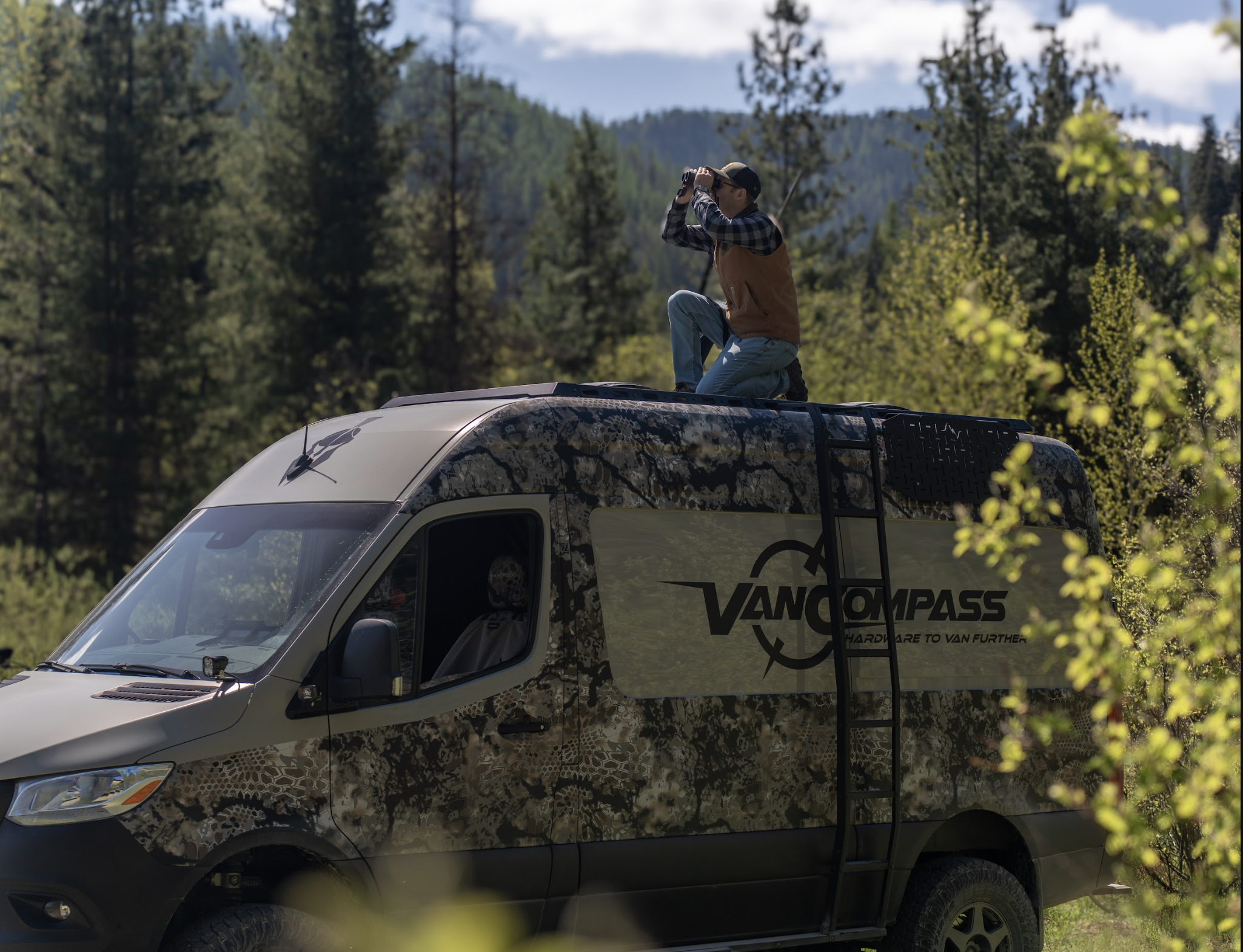
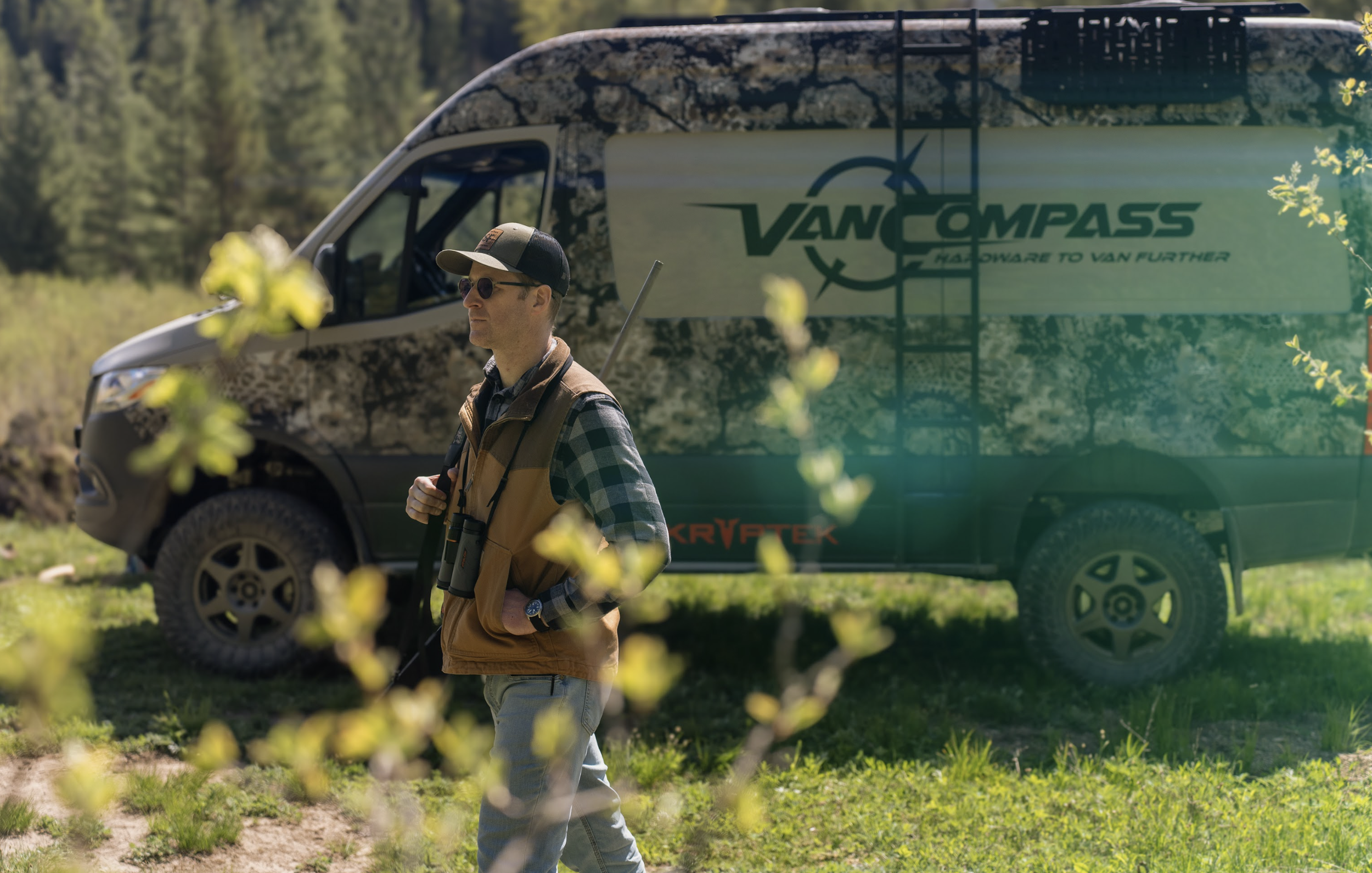
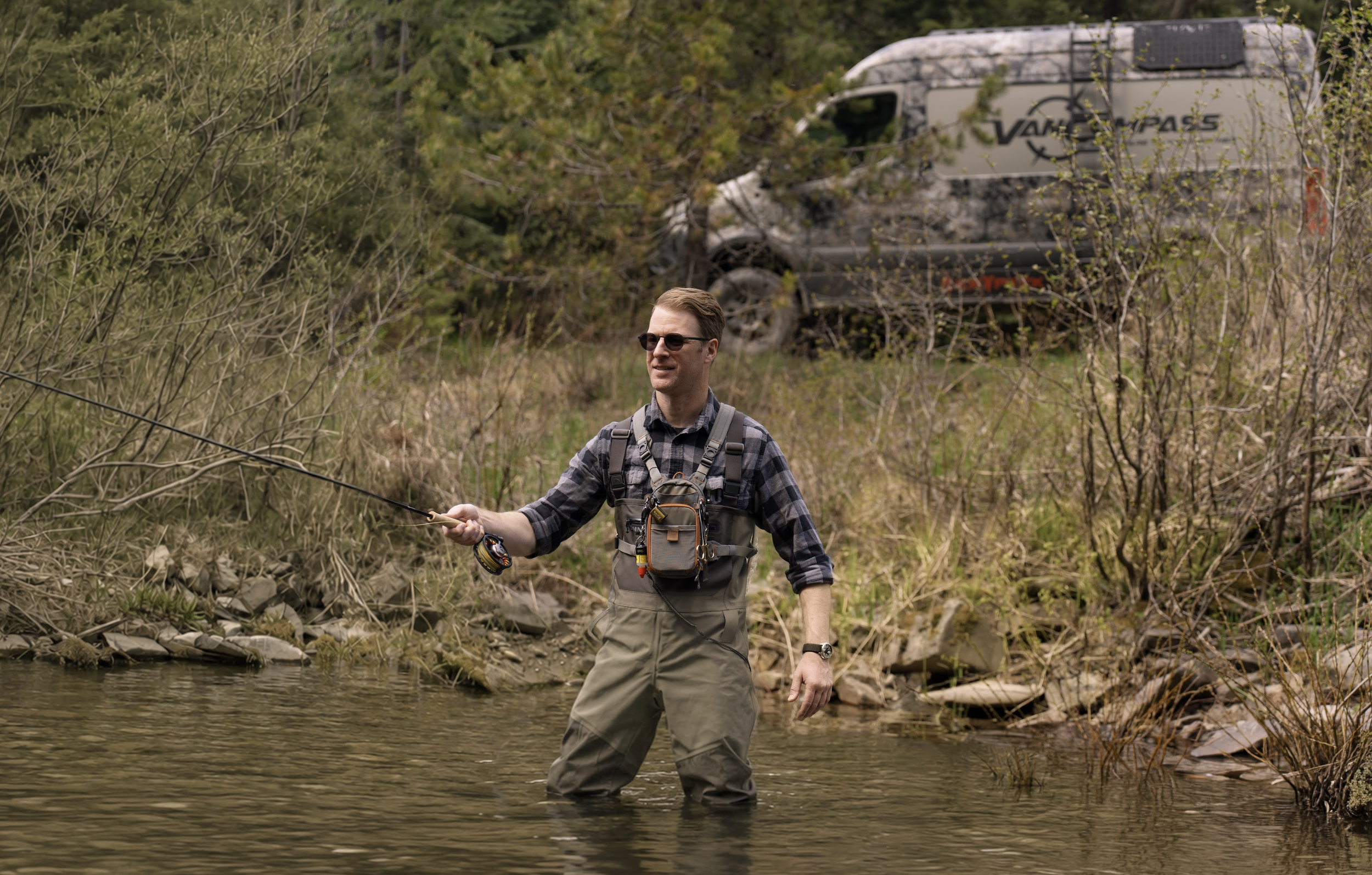
The Real Challenge
The conventional answer when a high-growth category normalizes is some version of "we need more demand generation" — more ads, more channels, more spend. That answer stops working fast.
What actually works — and what requires leadership rather than tactics — is rebuilding the marketing function to see the business with more precision before scaling any of the visible outputs. Channel-level analytics that separate traffic volume from traffic quality. Conversion reporting at depth, so post-click leakage becomes visible. A unified view across customer service, sales, and marketing — because anecdotal decisions stop compounding the moment the macro tailwind disappears.
The unglamorous truth: when easy growth ends, the work that builds defensible revenue isn't more advertising. It's analytics, segmentation, brand cohesion, and customer-system discipline. Foundation work. Framing work. Systems behind the walls. The kind of work that doesn't make for an exciting deck — but is the difference between a brand that compounds and a brand that spikes.
The Work
We focused the marketing function on five things.
Analytics infrastructure. Built channel-level reporting that separated traffic volume from traffic quality, surfaced post-click revenue leakage, and refocused paid media decisions around AOV and conversion outcomes instead of click volume. Paid media conversations started being grounded in business outcomes rather than vanity metrics.
Customer intelligence infrastructure. Implemented a comprehensive customer survey program and a structured sales-call logging system across the sales team — paired with a Gorgias-based customer service operating layer that connects every customer touchpoint into a unified view. Together they built an evidence-based picture of who the Van Compass customer actually is — pain points, product curiosity, friction in the buying journey — replacing assumption with data and giving every other marketing decision a sharper signal to work from.
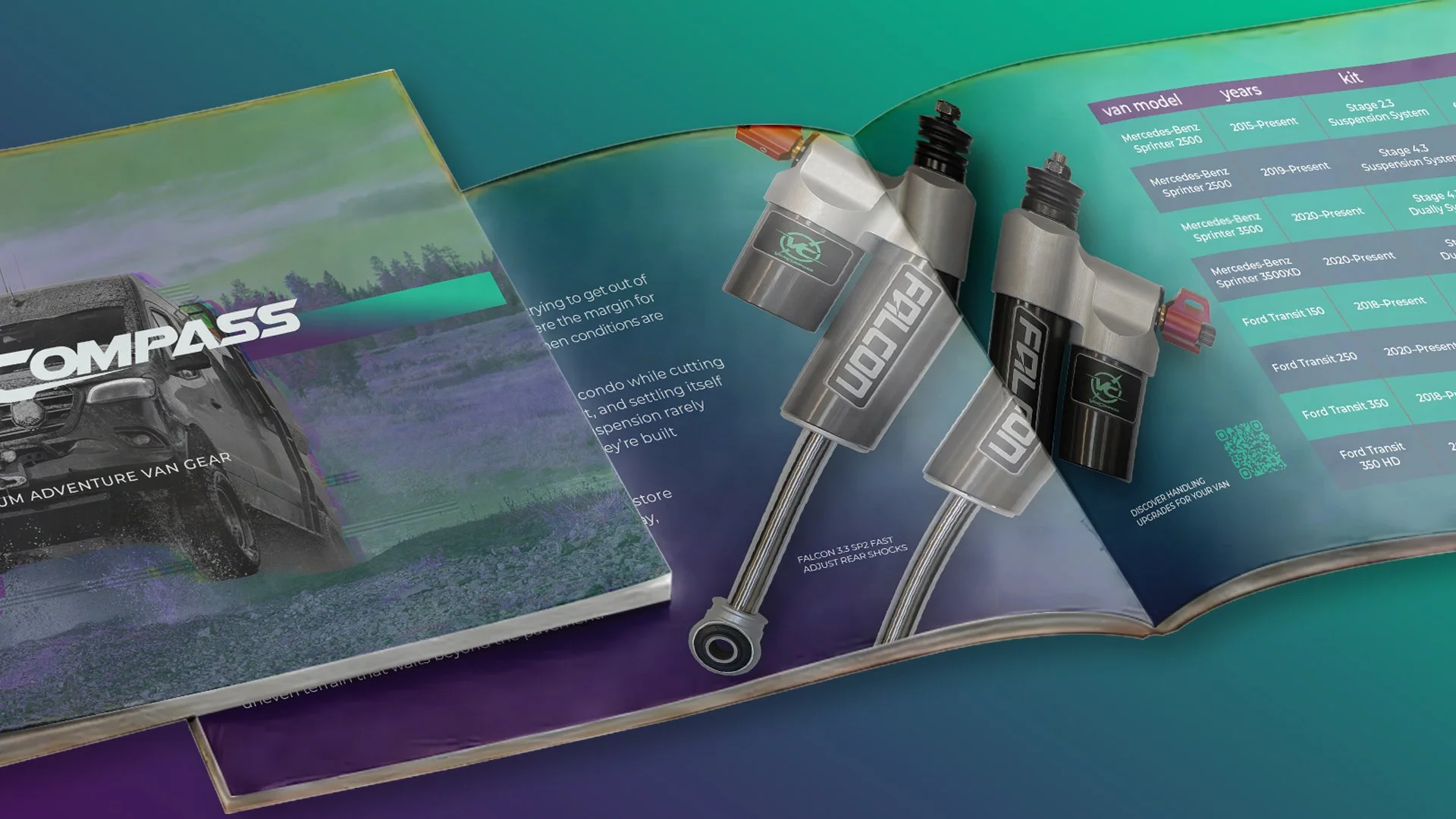
Brand and product communication redesign. Across web, email, video, print, and dealer sales support. Van Compass sells complex technical products into a discerning customer base — overlanders, adventure travelers, professional vehicle builders. The brand needed to do the work the demand curve used to do: translating sophisticated engineering into language that helps customers evaluate, compare, and buy.
Revenue-accountable email program. Rebuilt on segmentation, cadence architecture, and campaign design tied directly to revenue contribution rather than send volume.
Executive-level strategy work. Authored CEO-level growth strategy synthesizing customer survey data, sales analytics, channel performance, SWOT, and market research into board-ready plans. Leadership conversations moved from anecdotal channel debates to data-driven prioritization.
Alongside that: multi-event geo-fenced Meta and Google ad campaigns across 10 adventure van and overland show windows, and multi-tier sponsorship planning including Adventure Van Expo title-level partnerships.
None of this was a sprint. Marketing infrastructure compounds over long arcs — measured in quarters and years, not weeks. Which means holding the strategy when the pressure for visible output is constant, and trusting the build sequence even when surface-level activity would feel more productive. That's the leadership work that doesn't show up in a deliverable.
The AI-Augmented Operating Layer
Building the house is one thing. Wiring it for what comes next is another.
The customer intelligence work — the survey program, the structured sales-call log, the unified view across CS, sales, and marketing — was never just about understanding the customer better today. It was about building the data foundation that the next layer of the brand experience runs on.
Two and a half years of working with LLMs and agentic workflows shapes how I think about that next layer. Inside the operating model, AI is already compressing the work: synthesizing customer research into themes, interrogating channel data at depth, accelerating competitive and market analysis, iterating executive-level strategy documents. That's the leverage that lets a small team move with the throughput and analytical depth of a much larger one — and it's a real part of how this work got done at the pace it did.
What's coming next is the more interesting deployment. The customer intelligence layer is now the training foundation for an AI-powered customer service portal in active development — designed to handle routine sales and service inquiries through thoughtfully trained AI, freeing a lean sales team to focus on the conversations that actually require a human. It's a deliberate extension of the same architectural principle that runs through every other piece of this build: do the foundational work, in the right order, so the system can compound when you add to it.
AI isn't doing the thinking. It's compressing the time between question and informed answer — and increasingly handling the kinds of repeatable interactions that don't require human exceptionalism. That capacity advantage compounds when you've spent the prior twelve months building infrastructure that's ready to receive it.
Outcomes
Email scaled into a measurable, board-reportable revenue channel at $750K annualized, with monthly email revenue up 35.6%.
Marketing conversations at the leadership level shifted from "more traffic" to "right traffic." Channel-level analytics now drive paid media decisions. Customer intelligence — surveys, structured call data, unified service touchpoints — is replacing assumption with evidence across every marketing decision. The brand and product communication system is built for compounding rather than spiking.
The architecture is in place. The brand ecosystem — strategy, analytics, execution, assets, and consistency — is starting to operate as one system instead of as separate functions. And the data foundation underneath it is now positioned to power the next phase of customer experience.

What It Means
When the macro wave ends, what's left is brand. And what's left of brand is whatever was actually built — not what was decorated.
Marketing maturity is the difference between hanging pictures and building the house behind them. The unglamorous work — analytics, segmentation discipline, brand cohesion across touchpoints, customer-system integration — is the architecture. It's what holds the campaigns up when the easy growth disappears.
The leadership work is seeing the finished home when everyone else sees concrete. Knowing the build sequence. Holding the line on doing the right work in the right order, even when the temptation is to skip ahead to the visible outputs.
The brands that win the long arc aren't the ones with the loudest channels. They're the ones with the most coherent ones — because someone took the time to build the structure underneath.