when the brand becomes the risk
Building an international aviation brand — under FAA, EASA, and NTSB scrutiny, on a slim budget, while doubling sales.
Tamarack Aerospace makes Active Winglets — a sophisticated, retrofittable aerodynamic system for business jets. Niche market. Highly technical product. Exclusive customer base. The kind of B2B aviation sale where the global universe of qualified buyers is measured in the low thousands at most, every deal is six figures plus, and each sale plays out across months of dialogue, technical review, and operator confidence-building.
When I came in as Creative & Marketing Director in 2020, the company had a brilliant product, a small loyal customer base, and a marketing function built for an earlier stage. No real brand system. The website was outdated. No CRM. No structured sales funnel. Trade show presence was light. Customer-facing content was sparse. The product was world-class. The brand wasn't.
The mandate was straightforward in name and brutal in practice: build an international brand, in a market most people don't even know exists, for a product that costs the price of a house and requires FAA approval to install. Do it with a 4-person team and a $250K budget.
But that’s only part of the story.

The Real Stakes
In 2019, a Cessna CitationJet had gone down. Investigators flagged Active Winglets as a presumed cause. The NTSB had opened a formal investigation. EASA was watching from Europe. The FAA was watching from the US. The trade press was watching everyone.
When the brand becomes the risk, every conventional playbook tells you to retreat. Go quiet. Cut promotion. Don't make news. Wait it out.
That wasn’t the strategy — or opportunity I saw.
The math was actually simple — and brutal. You can't sell aviation hardware to discerning buyers if your brand looks like it's hiding. You can't earn regulator respect if you go silent. You can't keep customers confident if you stop showing up. And you definitely can't grow a global niche market by waiting for an investigation to resolve on its own timeline.
So the choice was the harder one: keep building, while also defending. Run the full brand-building program with no margin for error on messaging discipline.
The Work
We rebuilt the customer-facing surface area of the company from the ground up.
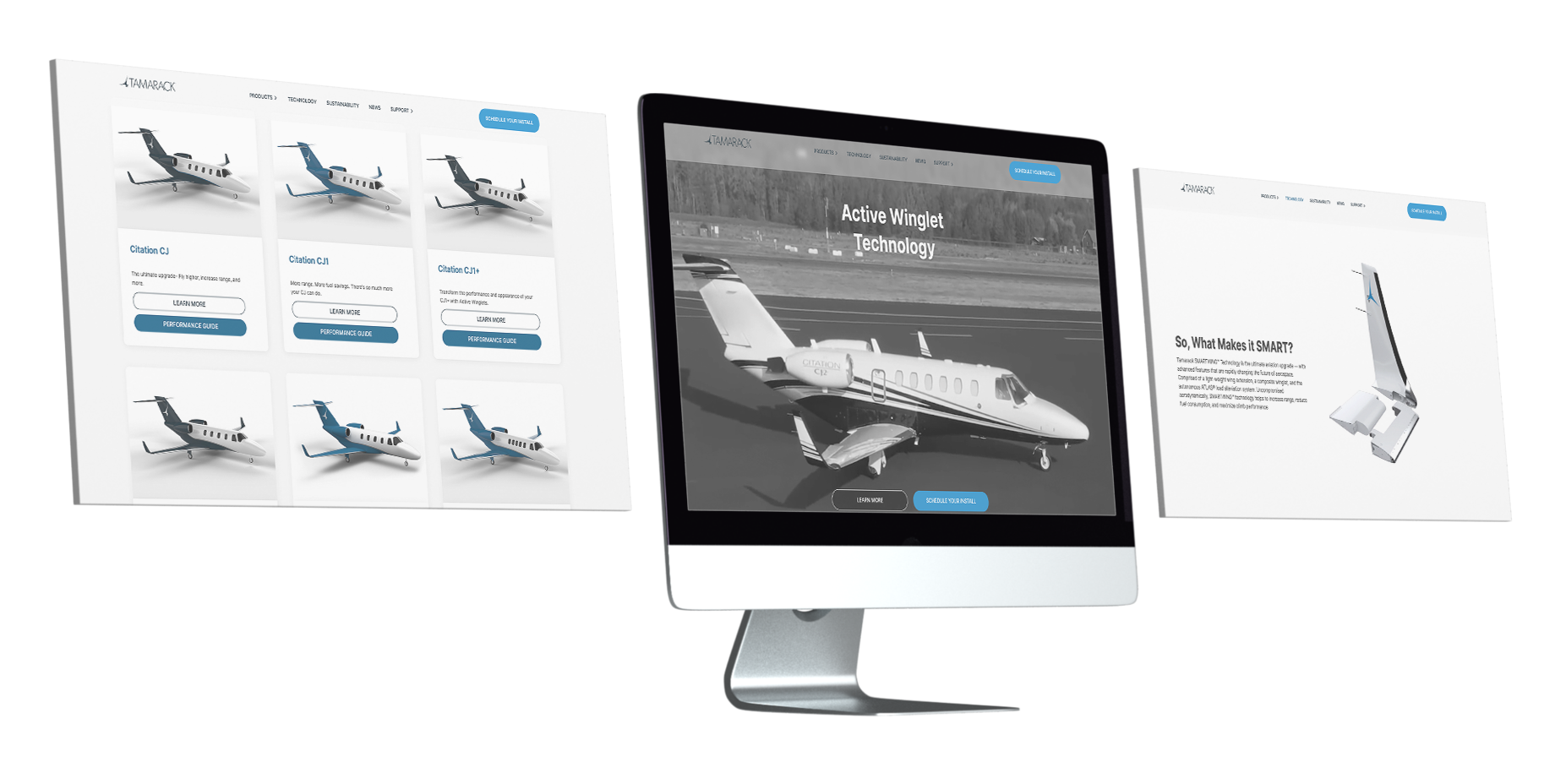
Website. Rebuilt completely. New architecture, new content systems, new positioning, new technical documentation flow. The site had to serve aircraft operators, dealers, regulators, and journalists simultaneously — each with different needs, different vocabulary, and different decision criteria.
Salesforce CRM. Brought in, configured, and integrated. For a six-figure B2B aviation product with a long sales cycle, a limited CRM isn't a marketing problem — it's an operational liability. We built a customer view that connected initial inquiry through retrofit, installation, post-sale support, and renewal conversations.
The White Glove sales funnel. This was the strategic core. Aviation customers at this price point don't want commodity treatment — they want a curated, consistent experience from first inquiry through installation and long past the sale. We built a funnel structured around that principle: every touchpoint deliberately designed, every handoff between marketing, sales, and engineering thought through, every post-sale moment treated as part of the brand. White Glove wasn't a tagline. It was an operating commitment that informed every customer-facing system we built.
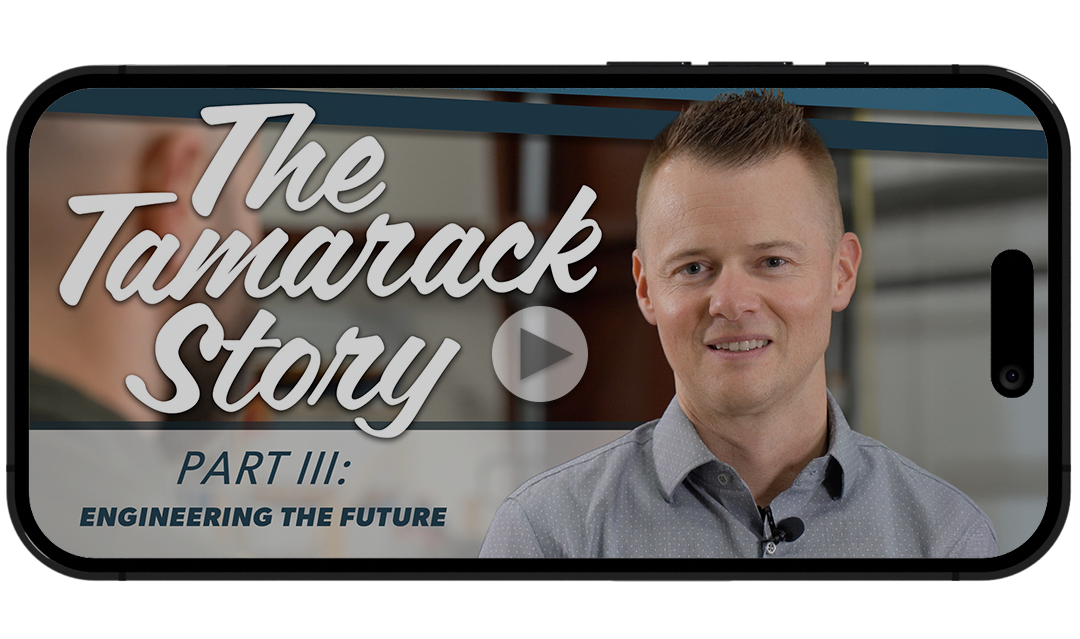
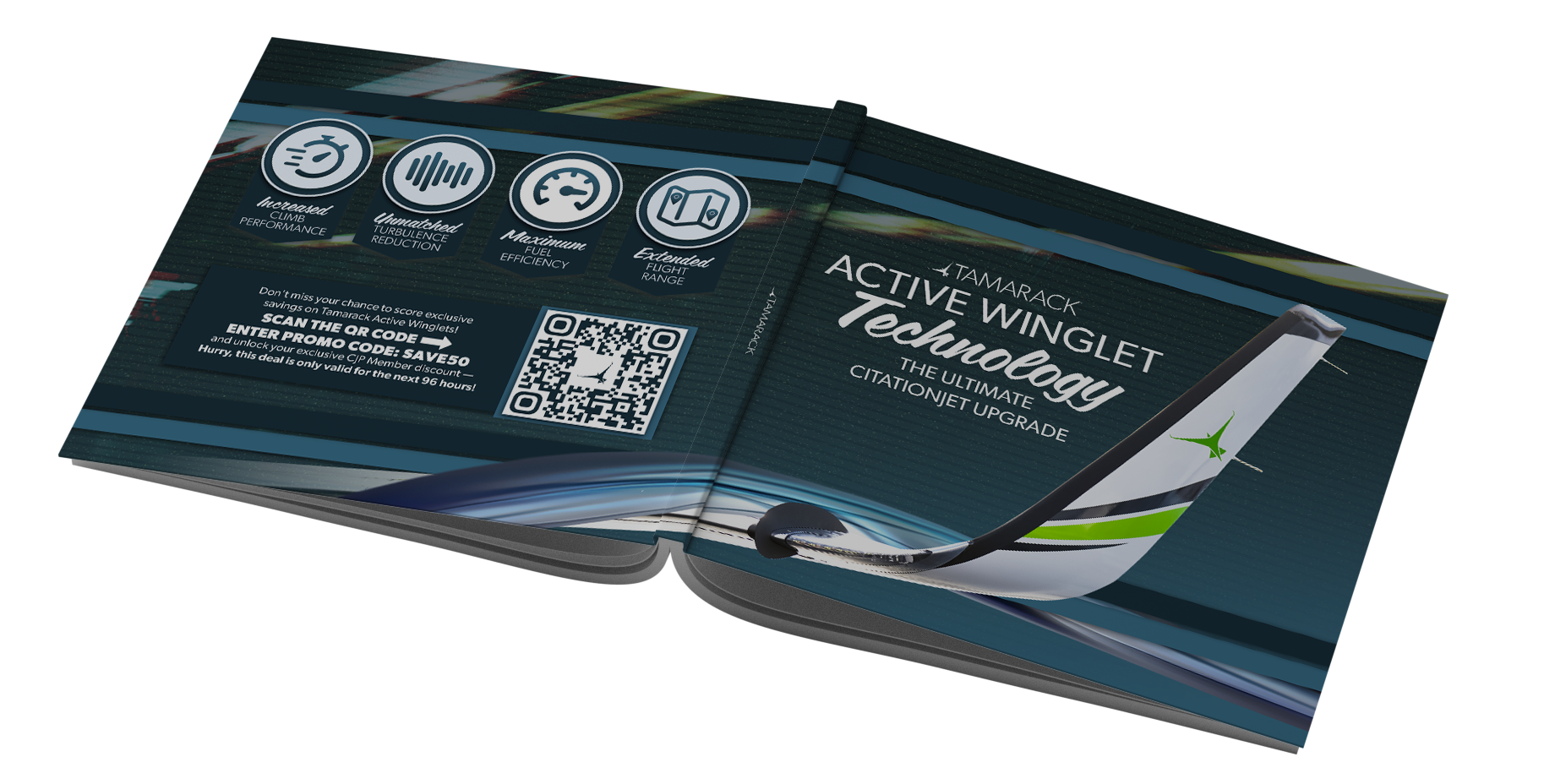
Brand system. Built from scratch. Visual identity, voice, content systems, technical communication standards, photography, video, trade show presence — everything calibrated for a sophisticated, technically literate, globally distributed customer base. Tamarack didn't have the budget to be loud. It needed to be unmistakable.
PR architecture. This is where the regulatory pressure lived. Every announcement, every conference appearance, every press response had to be coherent across regulators, customers, dealers, internal team, and trade media. Different audiences, different stakes, no contradictions. We built a communications architecture that segmented audiences without sounding segmented, and held the line on consistency when the easy move was to go reactive.
All of it on a slim budget, requiring relentless creative discipline. Authentic, owned content over paid amplification. Earned coverage over advertising. Trade show presence designed for impact, not volume. Every dollar accountable to a specific business outcome.
Outcomes
From approximately 100 Active Winglets sold in 2020 to over 200 sold by early 2025.
In a category where the global addressable market is highly limited, and every sale takes months of operator confidence-building, that's not a marketing curve. That's a brand outcome. It's customers choosing Tamarack with the FAA, NTSB, and EASA all in the conversation — and choosing it twice as often, half a decade after the noise started.
The customer experience held. The brand held. The international footprint grew. The trade press relationship matured into something useful instead of something defensive. The company is still flying, still selling, still in the conversation.
What It Means
When the brand is the risk, the answer isn't to retreat. It's to commit harder — to build with more discipline, more consistency, more clarity, not less. The work that protects a reputation under scrutiny and the work that grows a brand in a saturated market are the same work: coherence held across every audience, every channel, every customer touchpoint, every time.
The Tamarack run proved something I'd been mostly intuitive about until then. A small team with a small budget can build a global brand in a regulated, niche, high-stakes market — but only if every decision is made through the same lens, and only if you keep building when the easy thing is to hide.
Hiding is never the brand strategy. Hiding is what brands do when they've run out of ideas.